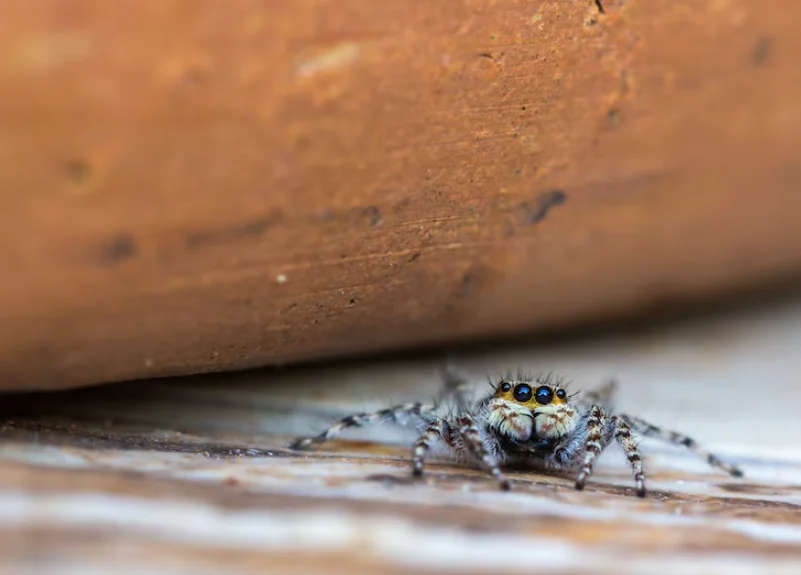
Seeing a spider in your home can trigger two very different reactions: ignore it or search for a spider exterminator. But before you decide whether to grab a shoe or call a professional, it helps to understand what that spider actually means. Are house spiders a harmless part of the indoor environment, or a sign of something bigger happening behind the scenes?
Are House Spiders Beneficial?
They can be both, it depends on how many, where they are, and why they’re there.
Most common house spiders are neutral to beneficial spiders. They quietly hunt flies, mosquitoes, gnats, and even roaches. In small numbers, they’re basically unpaid natural pest control.
But spiders are also a symptom. They don’t invade homes for fun. They go where food exists. If you’re seeing spiders consistently, it usually means your home is already supporting a steady insect population, even if you don’t see those insects. There may be a steady insect food source inside, entry points that aren’t sealed, or low-traffic, undisturbed areas supporting activity. That’s how a spider problem in home begins, sometimes long before homeowners consider spider pest control.
One spider in a corner is normal. A single spider is normal.
Webs in every room, egg sacs, or spiders showing up daily isn’t “nature doing its thing”, that’s a developing pest imbalance. A repeat appearance means your home is functioning like a food source. That’s when it shifts from harmless to actionable.
Spiders aren’t the problem. They’re the symptom.
So the real question isn’t “Are spiders bad?” It’s why your home supports enough prey to keep them there, and whether this is occasional activity or a sustainable ecosystem.
Are Spiders Good To Have In The House? Why Are Spiders Good In The House?
Many homeowners wonder if they’re actually good spiders to have in the house or something that should always be removed.
Spiders are beneficial because they reduce flying insect populations, prey on mosquitoes and flies, and help control small nuisance pests without chemicals. As beneficial spiders, they act as natural predators that don’t spread disease like some insects do. They don’t chew wood, contaminate food, or reproduce explosively like roaches. Spiders are natural population managers. They reduce flying insects quietly and without chemicals.
However, “good” doesn’t mean “ideal roommates.” Homes aren’t ecosystems, they’re living spaces. A light spider presence can be harmless, but spiders don’t eliminate pests. They stabilize them. If a spider can survive in your home long-term, it means there’s enough insect activity to sustain it. In that sense, spiders are less of a solution and more of a biological indicator that something else is present. An active spider population often means something else is going on.
So yes, they’re beneficial hunters. But no, they’re not a replacement for proper pest prevention or structured spider control.
Good Spiders To Have In The House And Other Good Spiders
When discussing good spiders to have in the house, species matters.
In North America, most indoor spiders are harmless and considered beneficial spiders.
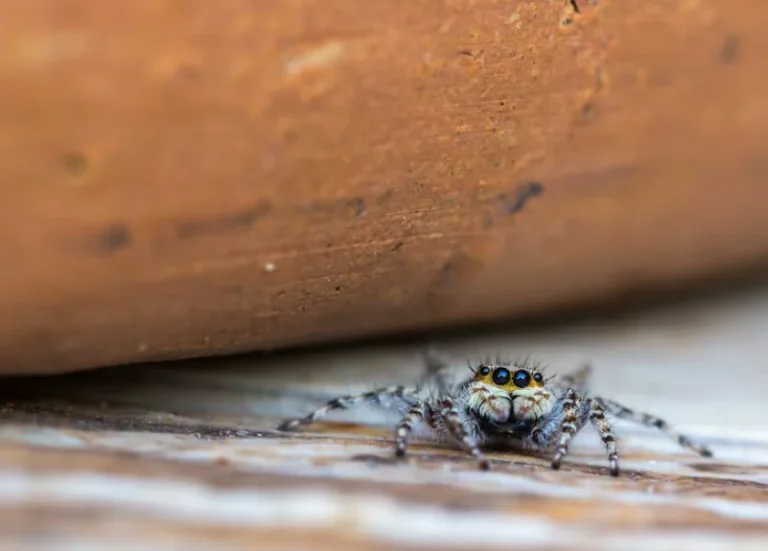
Common harmless house spiders include the common house spider (Parasteatoda tepidariorum), which builds messy webs in corners, cellar spiders (“daddy long legs”) that hang in basements, wolf spiders that usually wander in by accident, and small, curious jumping spiders that actively hunt. These are often viewed as good spiders to have in the house because they rarely bite, avoid humans, and focus on insect prey. They typically build webs in low-traffic areas while staying out of sight.
Spiders that require caution include black widows and brown recluses in certain regions. If venomous species are native to your area, identification matters. Their presence isn’t something to “let nature handle.”
Spiders become a concern when they roam frequently in living spaces, reproduce indoors, are medically significant species, or appear in numbers rather than isolation. A spider’s behavior matters more than its name.
When A Spider Problem In Home Becomes Serious
A spider problem in home becomes serious when you notice frequent daily sightings, a sudden spike in activity, webs in multiple rooms that reappear within days of removal, or spiders appearing in high-contact areas like beds, closets, or shoes. Seeing them consistently in daylight is another sign. Egg sacs, small white or tan silk balls, or identified venomous species raise the stakes further.
A serious issue isn’t about fear, it’s about pattern and volume. A spider problem in home becomes serious when activity increases instead of staying occasional and becomes self-sustaining.
Also important: spiders follow food. If spiders are increasing, insects likely are too, even if you don’t see them. If spiders are breeding successfully indoors, there is enough food, enough shelter, and stable conditions.
That’s not a visitor. That’s residency.
Signs You Need Spider Control
Normal activity looks like 1-3 spiders per month, seasonal increases like fall entry, one-off sightings, and webs only in garages, basements, unused corners, or other undisturbed spaces. No egg sacs. No venomous species.
Control is likely needed when sightings are predictable or weekly, cleaning doesn’t reduce activity, webs reappear quickly after cleaning, or exterior webbing builds up fast. Spider droppings under webs, activity in high-use areas, and other insects present are also signs. These patterns confirm a spider problem in home rather than random sightings. This is when spider control becomes necessary.
If you’re constantly cleaning webs and they’re back within days, that’s not random, that’s an established presence. If spiders keep returning, they’re not wandering in randomly. They’re targeting a consistent environment.
What’s Good To Kill Spiders In The House
For occasional spiders, vacuuming webs and spiders directly, using sticky traps as a monitoring tool, sealing cracks and gaps, reducing clutter, and controlling other insects is usually enough. Effective spider control starts with reducing the insect population that supports them.
Over-the-counter sprays kill on contact but often don’t address egg sacs, hidden harborages, exterior entry points, or the underlying insect food source. DIY methods are not a substitute for spider pest control when infestations grow. Killing individual spiders doesn’t solve a population problem. Killing spiders rarely fixes spider problems. You’re removing predators, not the prey.
Spider control becomes necessary when the issue persists despite cleaning, egg sacs are found, venomous spiders are present, the population keeps rebounding, or removal alone doesn’t reduce recurrence.
What actually reduces spider populations is exterior perimeter treatment, sealing gaps and cracks, reducing outdoor lighting that attracts insects, managing moisture, and controlling the insects spiders feed on.
The goal isn’t killing spiders. The goal is removing the reason they’re staying.
When To Call Professional Spider Pest Control
Call a professional spider pest control company when you suspect black widows or brown recluses, find multiple egg sacs, or spiders are appearing in bedrooms. If you have recurring infestations, activity continues after cleaning and sealing, or there’s heavy exterior webbing around eaves and entry points, it’s time. DIY treatments that haven’t reduced activity are another clear sign. If you feel uncomfortable in your own space, that matters too.
Professionals don’t just spray, they identify species, inspect entry points, treat exterior foundations, address insect populations, and provide long-term exclusion strategies. Professional treatment focuses on long-term spider control by addressing exterior nesting zones, foundation entry areas, insect pressure around the home, and prevention, not just elimination.
That’s the difference between temporary relief and actual control. That’s the strategic difference.
Leave Beneficial Spiders Or Remove Them?
In low numbers and low-traffic areas like a garage or basement corner, leaving them alone is usually fine. Even if they are good spiders to have in the house, placement matters. One spider in a basement corner is not a problem.
But inside living areas, kitchens, bedrooms, bathrooms, removal is reasonable. Spiders where you sleep or dress are different.
Repeated sightings warrant investigation, and venomous species call for immediate action.
Homes are for people first. “Beneficial” doesn’t mean you’re required to tolerate them. If you’re checking your shoes before putting them on, it’s no longer about biology, it’s about comfort and control.
Homes aren’t ecosystems. They’re living environments. Your tolerance level matters.









+ There are no comments
Add yours